Das Vessertal ist das schönste Tal Mitteldeutschland
– so urteilten die Fernsehzuschauer, als der mdr auf der Suche nach dem schönsten Tal in Mitteldeutschland war. Aber machen Sie sich selbst ein Bild!
Vielleicht haben Sie auch Lust, Ihren Ausflug in das Vessertal mit einem Besuch einer unserer schönen Dorffeste zu verbinden.
Wir laden Sie ein und freuen uns auf Sie.
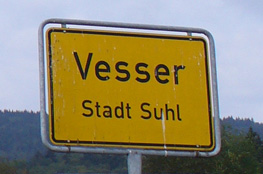
Hier können Sie sich informieren:
» Mit dem Auto nach Vesser
» Mit dem Zug nach Vesser
» Besucherservice Vesser
» Tourist-Information der Stadt Suhl
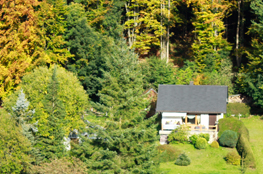
In die "Sommerfrische" nach Vesser fuhr man schon im letzten Jahrhundert. Vesser ist allerdings auch im Winter einen Besuch wert ...
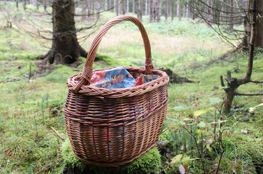
Die Gastfreundschaft der Vesserer ist sprichwörtlich und hat eine lange Tradition. Ebenso verhält es sich mit der traditionellen Küche ...
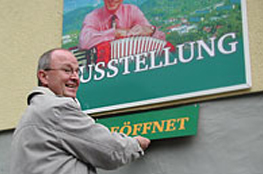
Wir wünschen Ihnen viel Spaß beim Besuch der Heimatstube, der Herbert-Roth-Ausstellung oder des Bergbaumuseum "Schwarzer Crux"
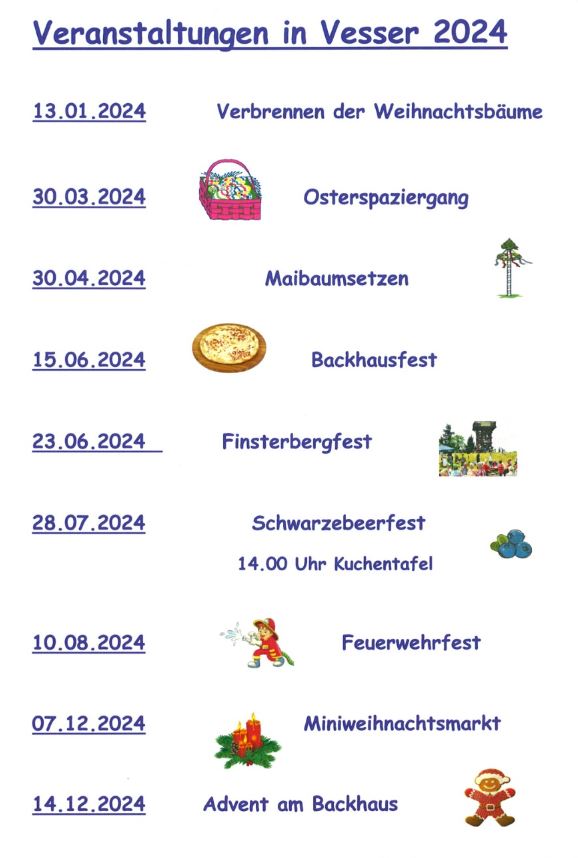
Veranstaltungsübersicht für 2024
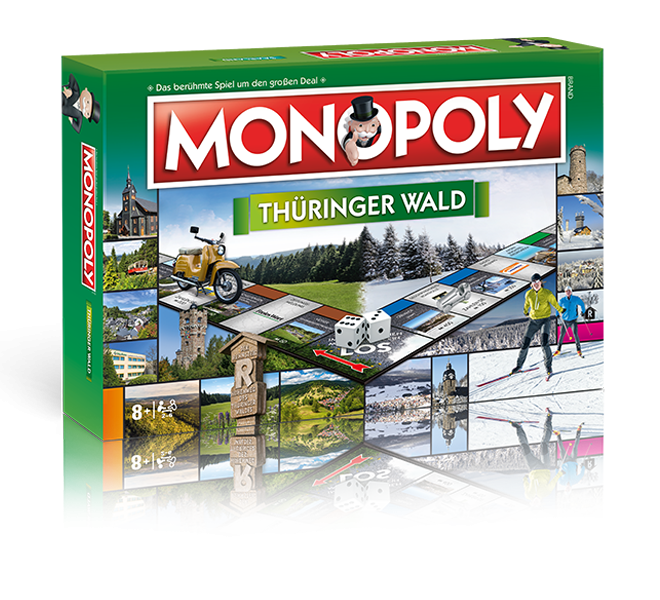
Die "Badstraße" wird zu "Vesser"
Unser schönes Vesser ist nun Bestandteil der neuen Auflage des Spiele-Klassikers Monopoly. Ehemals als Badstraße bekannt, spielen die Menschen nun um die Vesser-Karte und versuchen, Ihre Häuser darauf zu bauen. Wir freuen uns, Teil dieses neuen Spiel's zu sein und wünschen Ihnen viel Freude damit!
Hier geht's zur Website und zum Shop von Monopoly Thüringen >>